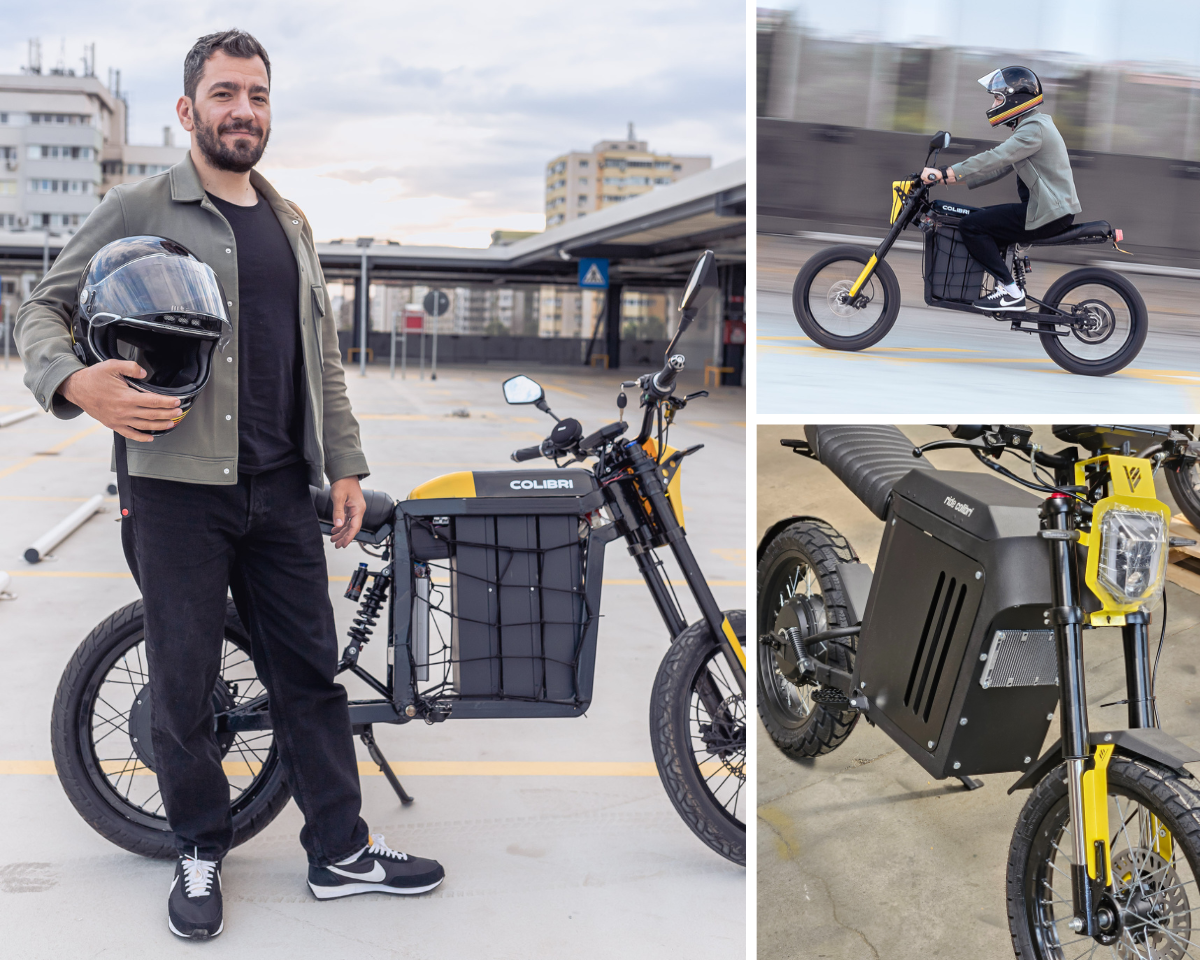
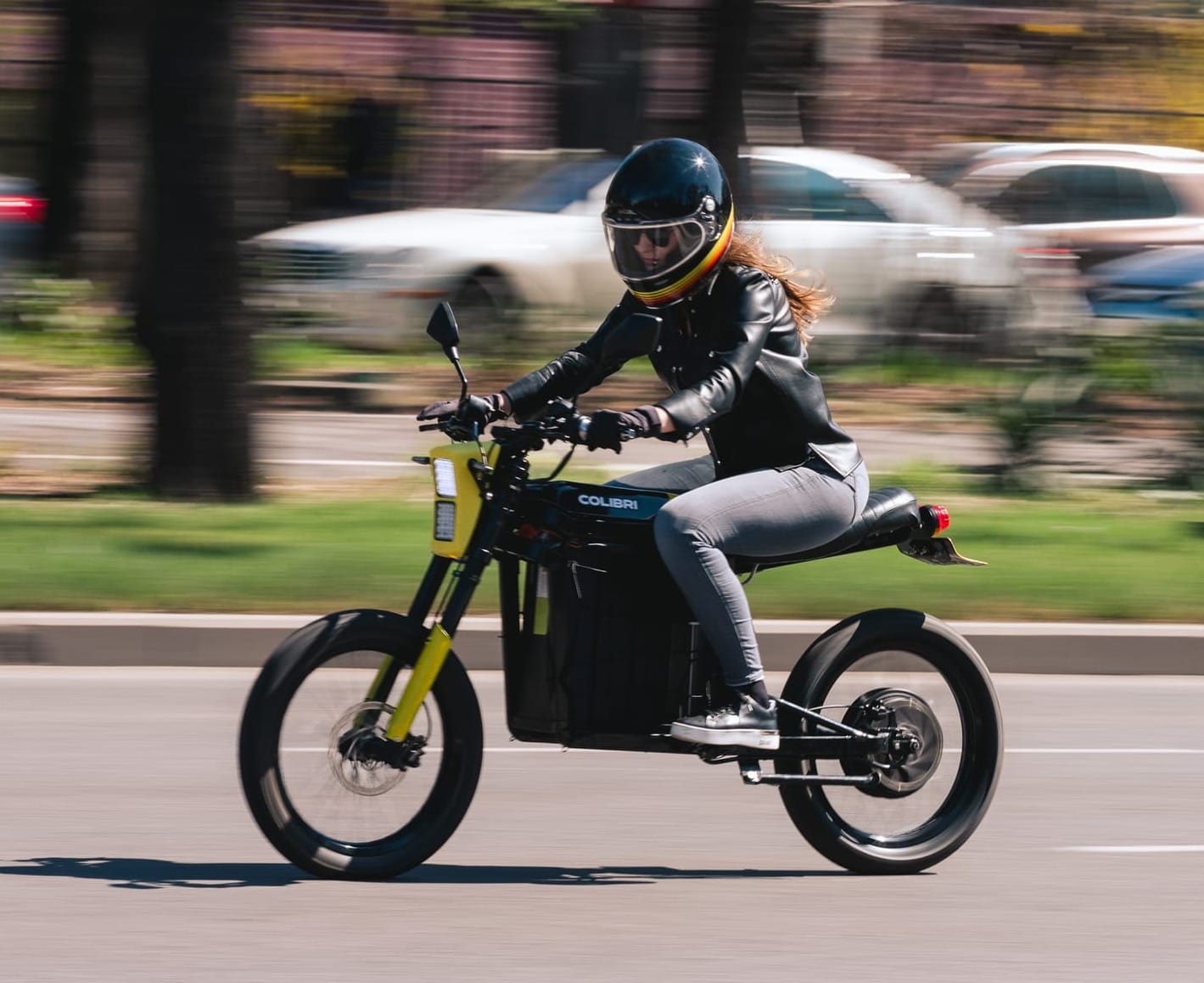
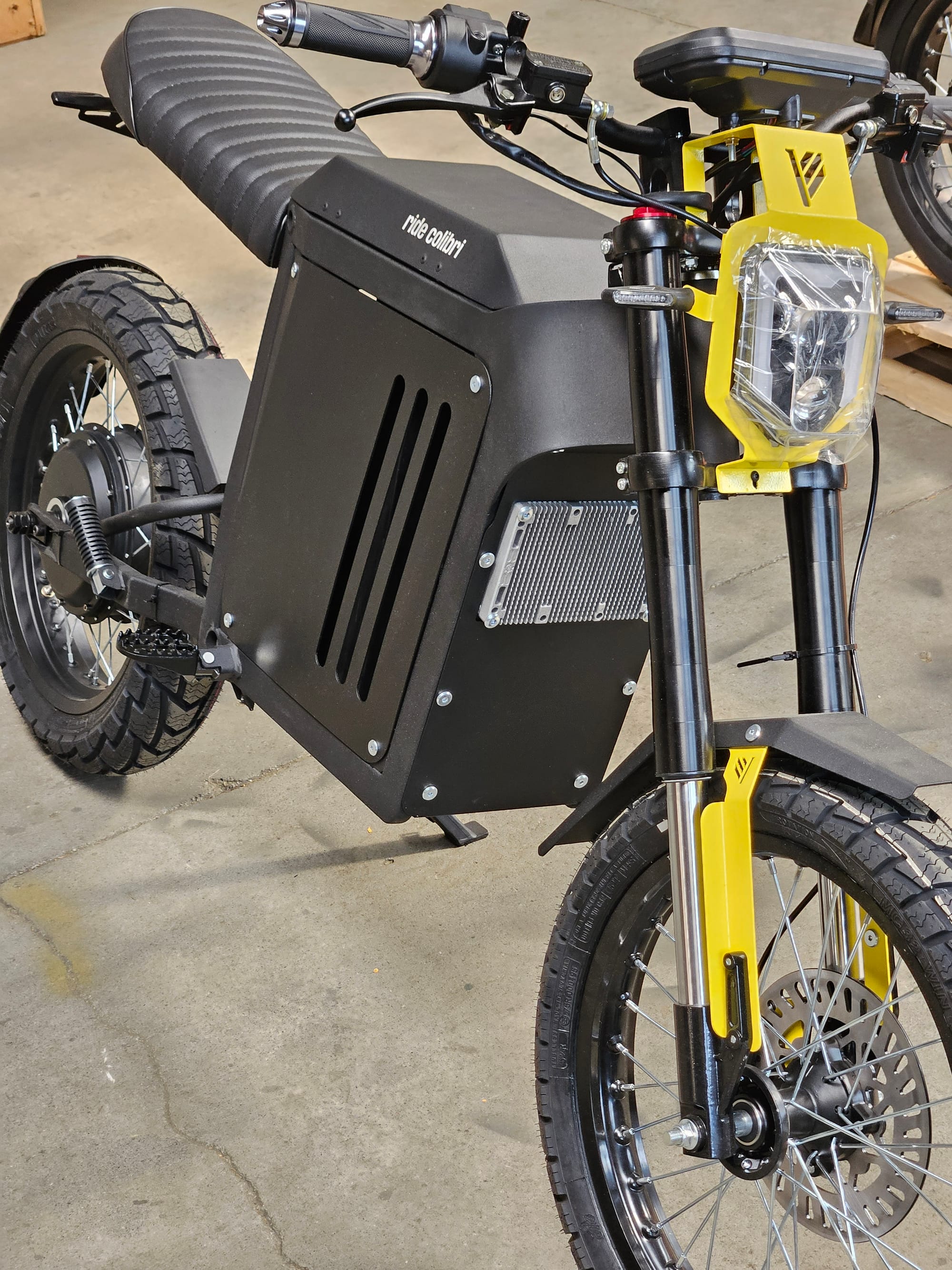
InsightEV: Peter, welcome to the Insight EV interview. It’s great to have you here. I checked out the Colibri M22 and it looks unique. What’s the backstory? Where did you come from, and what inspired you to pursue the dream of building your own electric motorcycle?
Petre Georgescu: It’s a pleasure to be here and to talk about my passion. Colibri started with my lifelong interest in mobility, particularly in urban commuting. As a child, I loved riding my bicycle, and that passion led me to create the world’s lightest folding bike in London. I later sold that startup to ProDrive in 2020. Afterward, I moved back to Bucharest and worked with a few startups, but my passion for mobility remained strong.
About five years ago, I was using an electric scooter from Sunra and constantly struggled with range. I had two batteries and frequently had to swap them, often running out of power and getting stranded. There were times I had to leave the scooter, take a taxi home, charge the battery overnight, and return the next day to retrieve it. My frustrations peaked when I was late for dates with my wife due to battery failures. That’s when I started wondering—what if there was a better way?
I realized that having three batteries instead of two could solve the problem. So, I began researching what was available on the market. I visited a shop in Cluj-Napoca in 2021, where they had various electric vehicle brands like Cake, Horwin, and Sur-Ron. Most of them had single-battery systems, and purchasing an extra battery cost nearly half the price of the vehicle. I saw a gap in the market and started talking to other users, particularly in the Netherlands, where electric scooters are widely used.
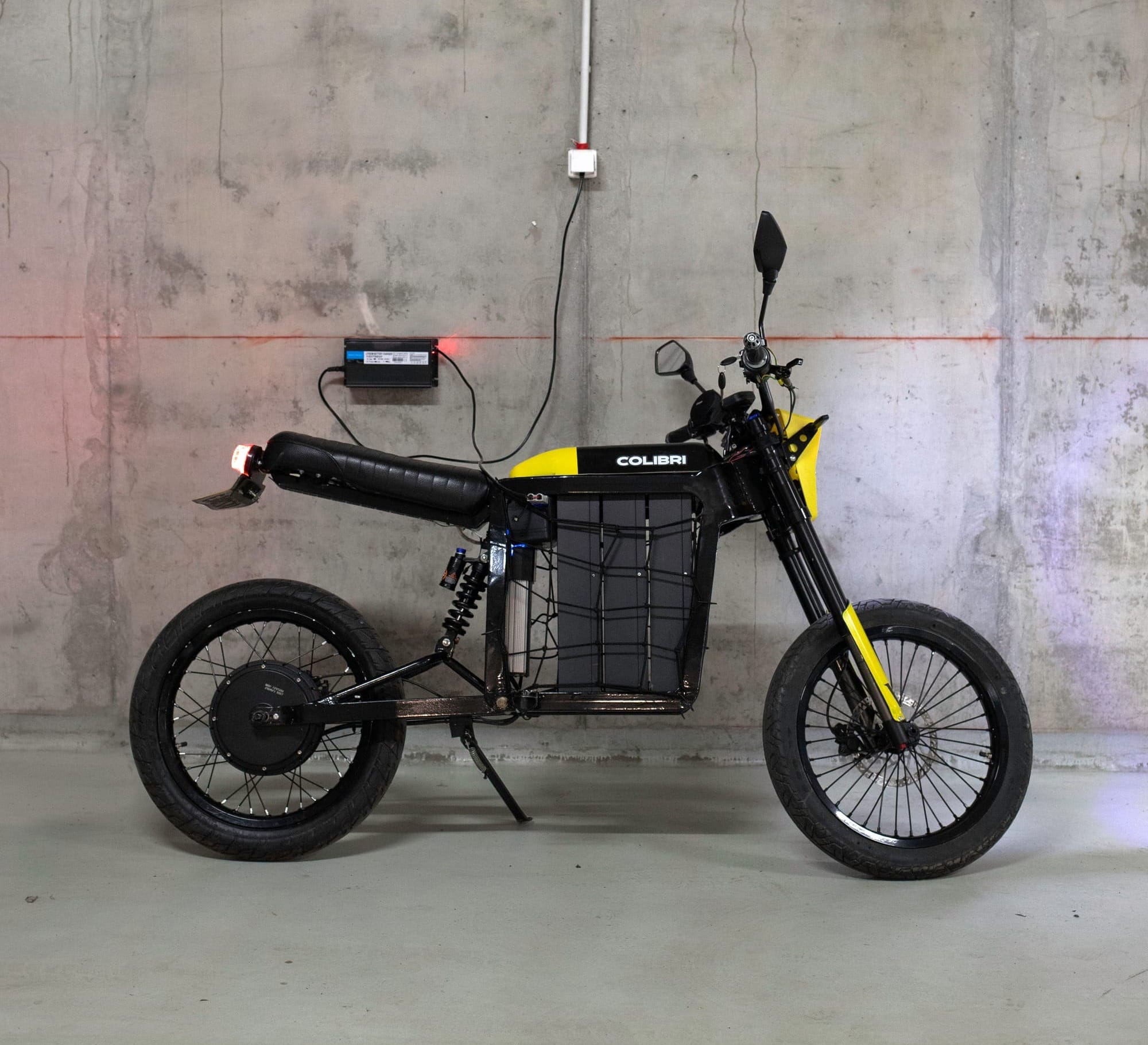
Many users shared similar frustrations regarding range limitations and the need to charge frequently. I also spoke with electric kick-scooter riders across Europe. Despite safety concerns—small wheels, imperfect roads, and frequent accidents—they preferred scooters because they could store them inside their apartments, reducing theft risk. These two main pain points—range anxiety and security—shaped my vision for a motorcycle with three battery slots and a folding mechanism, allowing it to fit inside an elevator and be stored on a balcony.
With this idea in mind, I built a prototype to test the electrical system and ensure three batteries could work in parallel without issues. The first trial was a success. I rode from our R&D facility in Giurgiu to Bucharest, which reinforced my belief that this was a viable solution.
InsightEV: That’s fascinating! So, your motorcycle addresses two key pain points: range anxiety and secure stowaway. You mentioned it folds, and that’s great. But motorcycles are typically heavy, so how much does yours weigh?
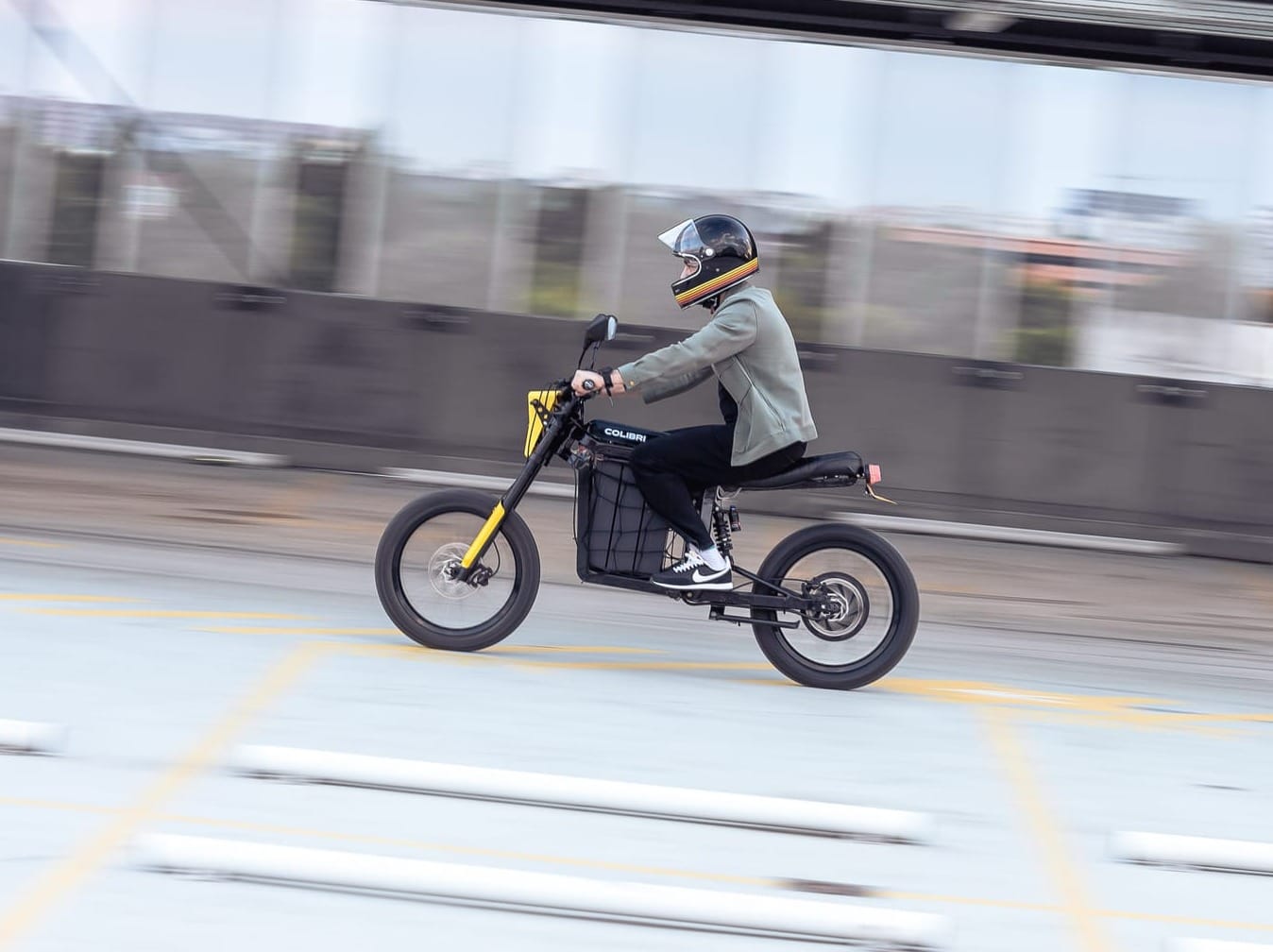
Petre: Without the batteries, the rolling chassis weighs 45 kg. I can lift it myself and put it in a car or carry it up a few stairs. While it’s not designed to be carried around like a bicycle, the fold is primarily for fitting inside elevators and storing in compact spaces. This feature makes it ideal for apartment dwellers or RV owners looking for a portable, high-performance commuting solution. In winter, when riding is limited due to snow, users can easily store it indoors rather than leave it exposed to harsh weather.
InsightEV: How big are the batteries?
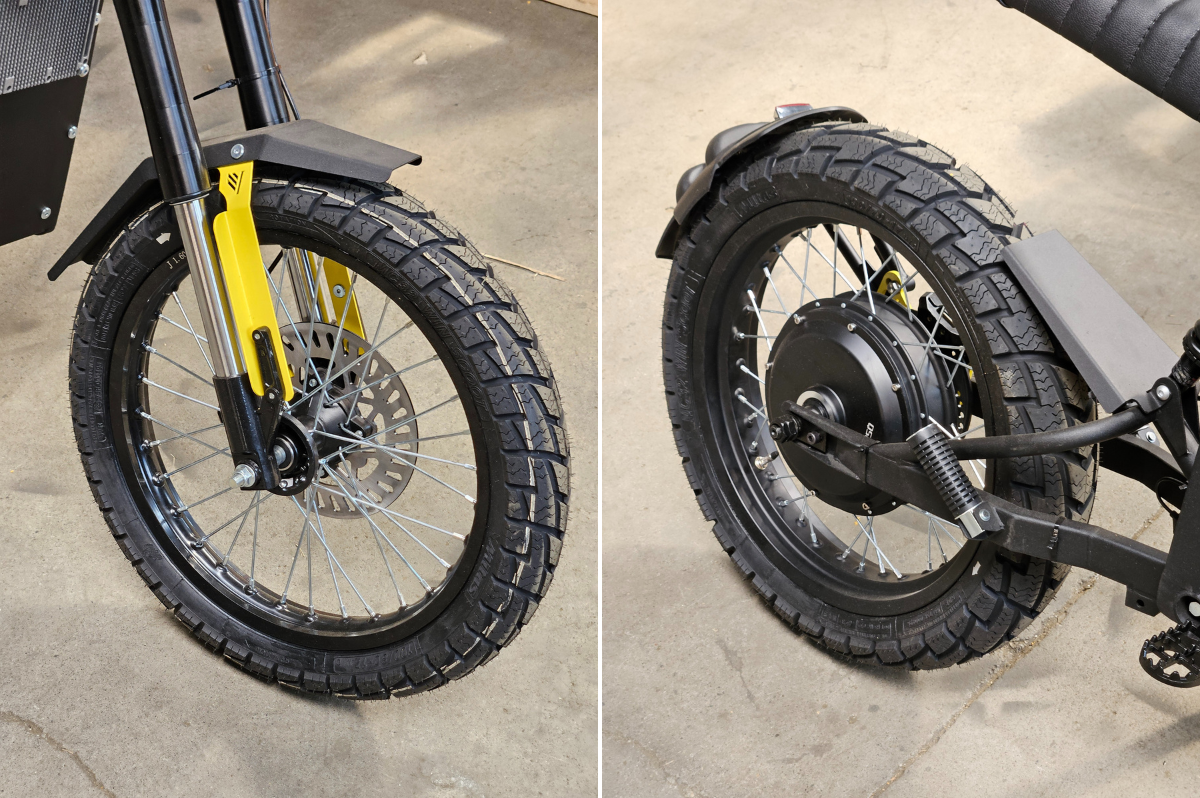
Petre: Each module has a capacity of 1.8 kWh (72V), totaling 5.4 kWh when all three are installed. The energy density is about 6.3 kWh at full charge.
InsightEV: Those are fairly large batteries for a portable system! Are they connected in series or parallel? Can the bike run on just one battery?
Petre: They’re connected in parallel, allowing you to ride with one, two, or all three batteries. A built-in balancer and smart BMS ensure seamless operation, even when batteries are at different charge levels.
InsightEV: What about the motor? How powerful is it?
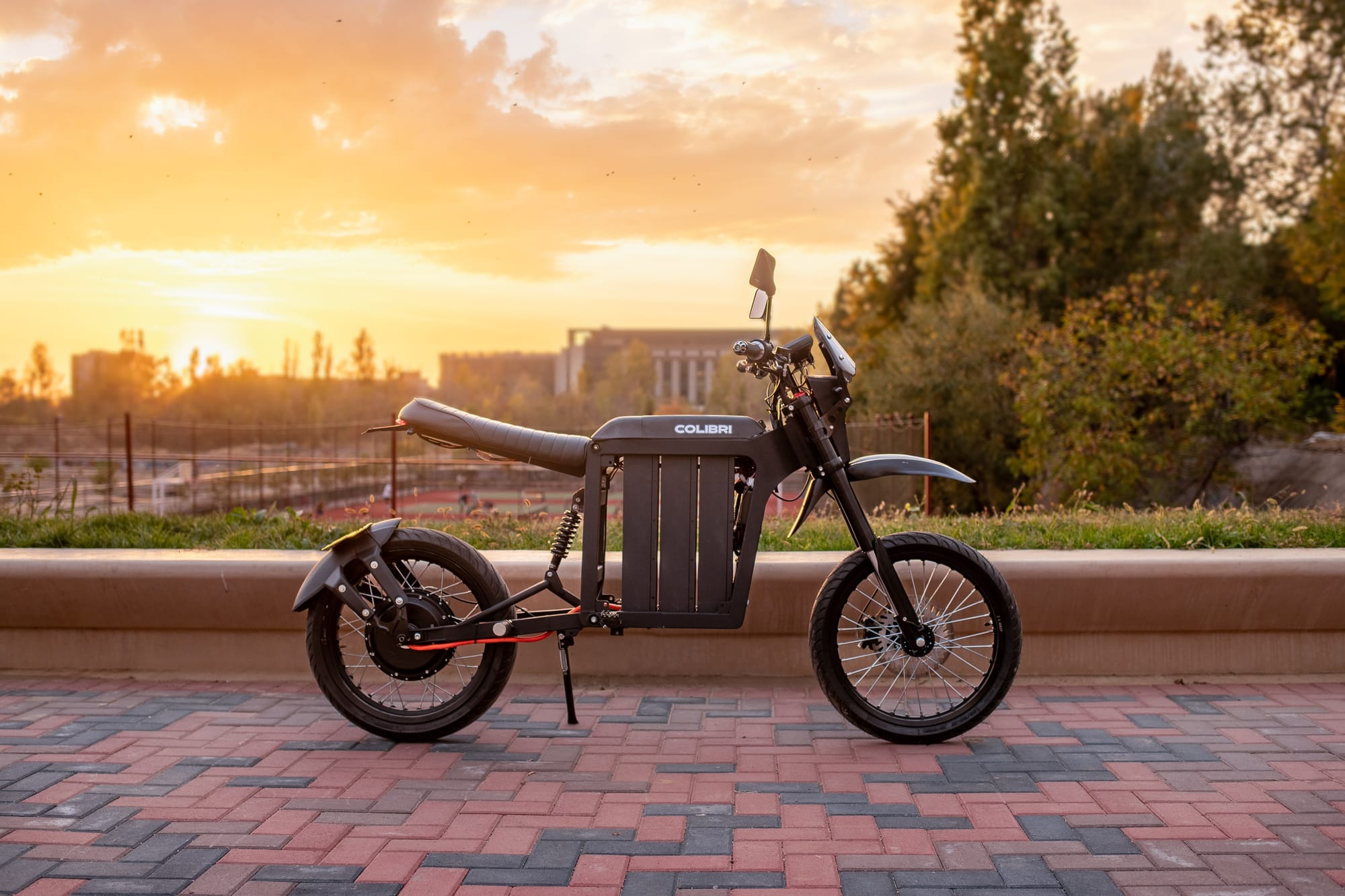
Petre: The motor has a nominal power of 4 kW but can reach 18 kW in off-road mode. Depending on the market, we offer different power settings to comply with regulations.
InsightEV: You’ve opted for a hub motor instead of a chain or belt drive. What drove that decision?
Petre: Since the M22 is designed for urban commuting, we prioritized low maintenance and reliability. Chains and belts require regular upkeep, whereas a hub motor is rugged, efficient, and virtually maintenance-free. It’s not an enduro bike where reducing unsprung mass is critical.
InsightEV: Have you started selling? How many units have been delivered?
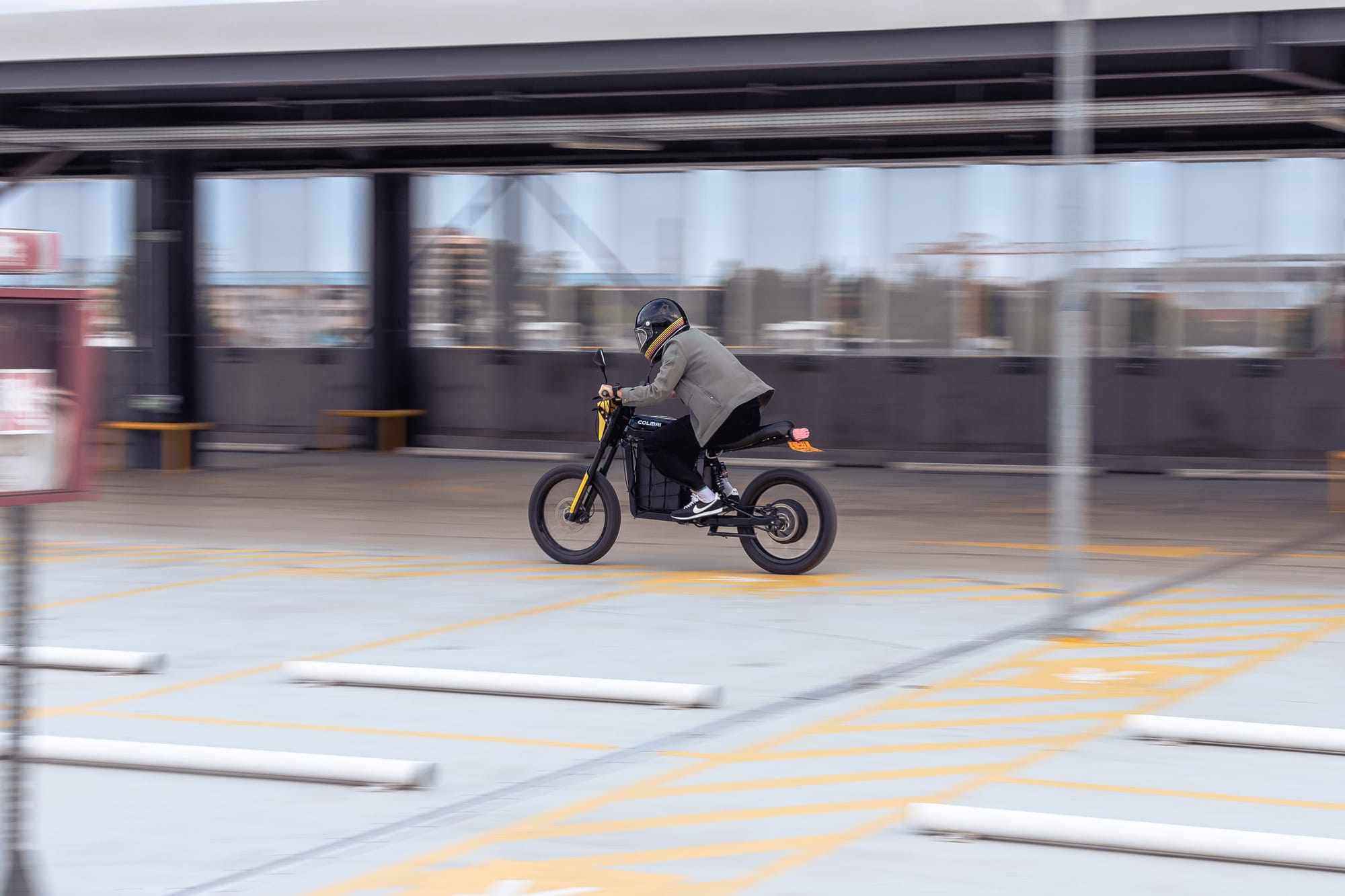
Petre: We launched pre-orders last year, focusing on developing a production-ready version. The first batch of 100 Founder’s Edition units sold out, and we started deliveries in August. Now, we’re ramping up production for our next series while incorporating customer feedback. Features like a smart alarm system and extended range options are being explored.
InsightEV: And at what price?
Petre: The single-battery version is $3,899, while the triple-battery version is $5,299.
InsightEV: Do most customers opt for the triple-battery model?
Petre: Yes, about 90% choose the triple-battery version. If we offered a four-battery model, I believe customers would go for that too! Range anxiety is a real concern, and people want flexibility.
InsightEV: Where do you see Colibri going from here? What’s the long-term vision?
Petre: We aim to be the Dacia of electric motorcycles—high-quality, reliable, and affordable. We want to create dependable vehicles that are simple to own and maintain. In addition to the M22, we plan to launch two more models:
M25 – A1 license, higher speed, ABS braking, highway-capable.
S25 – A moped-style electric bike.
Our goal is to keep production in Romania, ensuring quality control and proximity to our European customers. Unlike many Asian imports, our motorcycles use universal, off-the-shelf parts, making repairs and maintenance easy. This approach avoids the frustration of proprietary components, ensuring longevity for our customers.
InsightEV: That’s a strong vision—practicality and dependability are key. Will manufacturing remain in Europe?
Petre: Yes, we’ll keep manufacturing in Romania. European brands are few, and local production allows us to cater specifically to European riders. Our commitment is to making a motorcycle that customers love, not just a product we can sell.

 InsightEV – Global Electric Mobility
InsightEV – Global Electric Mobility
InsightEV – Global Electric Mobility
 InsightEV – Global Electric Mobility